Introduction
Hair loss is a common concern for both men and women, and it can feel frustrating and confusing. The most important first step is understanding why it is happening. Hair loss is rarely one-dimensional: it can be driven by genetics, hormones, stress, nutrition, lifestyle and underlying health conditions, often in combination.
In this guide we look at the common causes and contributing factors, and the evidence-based, in-clinic options we offer at SkinLab to support hair health and restoration. As a medically led clinic, we always start with a proper assessment before recommending a plan.
What causes hair loss?
To treat hair loss effectively, it helps to understand the cycle of hair growth. Each hair follicle follows a cycle of growth (anagen), transition (catagen) and rest (telogen). Disruptions at any stage, or changes to the follicle itself, can lead to visible thinning or shedding. Common causes include:
Genetics (hereditary hair loss)
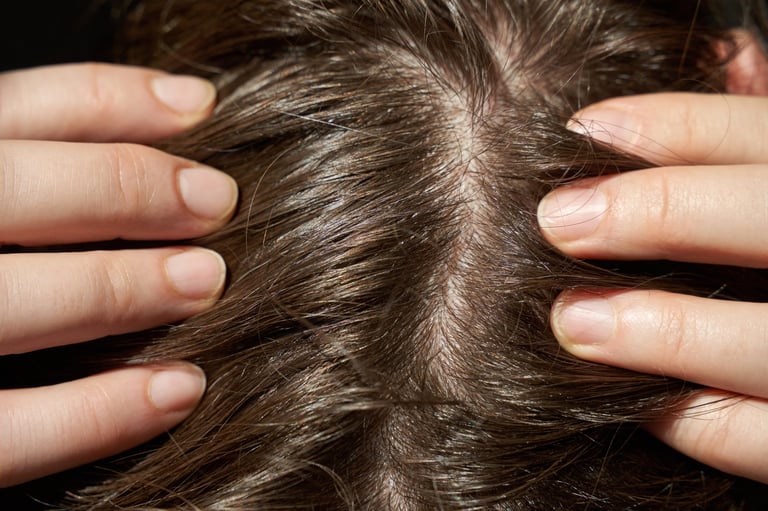
Also known as androgenetic alopecia, this is the most common form of hair loss and tends to run in families. It affects both men (receding hairline, thinning crown) and women (widening part, diffuse thinning). It is driven by a genetic sensitivity of the hair follicles and can begin early, which is why early intervention tends to deliver the best results.
Hormonal changes
Hormonal shifts are a frequent trigger. Postpartum shedding after pregnancy, changes around the menopause or perimenopause, and thyroid imbalances can all affect the growth cycle. This kind of shedding is often temporary, but it can become persistent without the right support.
Stress-related shedding
A physically or emotionally stressful event, illness, surgery or significant weight loss can push many follicles into the resting phase at once. This is known as telogen effluvium, and it usually shows up as diffuse shedding a few months after the trigger.
Nutritional factors
Hair is one of the most energy-hungry tissues in the body. Low iron or ferritin levels, low vitamin B12, vitamin D deficiency, or a general lack of key nutrients can compromise the growth cycle and contribute to thinning. We can review these factors as part of a consultation.
Lifestyle and scalp health
Frequent harsh styling, tight hairstyles, and unmanaged scalp conditions such as build-up, irritation or dryness can all stress the hair follicle. A healthy scalp is the foundation of healthy hair — just like the skin on your face, it needs circulation, nutrients and barrier support.
Medical and skin conditions
In some cases hair loss is linked to an underlying condition such as alopecia areata, scarring alopecia or certain skin conditions affecting the scalp. Where this is suspected, a medical assessment is essential to guide appropriate, safe treatment.
This is general guidance, not a diagnosis. Your practitioner will assess your individual situation during a consultation.
Why the scalp matters
The scalp is skin, and just like facial skin it depends on circulation, nutrients, cellular stimulation and barrier support to thrive. Ignoring scalp health is one of the biggest reasons hair treatments fall short. That is why our approach begins with a detailed scalp and hair assessment that considers the pattern of hair loss, medical history, hormonal factors and lifestyle contributors.
Evidence-based treatments we offer in clinic
When the underlying causes are understood, we can recommend a targeted, personalised plan. The options below are clinically supported and designed to be combined where appropriate. Individual results vary, and your practitioner will advise on what is realistic for you.
HydraFacial Keravive
A professional scalp treatment that hydrates and nourishes the scalp, similar in principle to the HydraFacial approach for facial skin. Keravive is designed to improve the scalp environment, supporting healthier-looking hair and helping to address a dry, irritated or lacklustre scalp.
Scalp polynucleotides
Polynucleotides are purified, highly biocompatible DNA fragments derived from salmon or trout. When treated into the scalp, they can help to stimulate follicle activity, reduce inflammation and support tissue repair. They are increasingly used as part of an evidence-based regenerative approach to hair restoration, and can support conditions such as thinning, shedding and scalp irritation.
ALLSKIN MED Hair with microneedling
ALLSKIN MED Hair is a professional trichology system that delivers a clinical-strength combination of growth factors, peptides, vitamins and regenerative ingredients. Microneedling creates fine micro-channels in the scalp that both stimulate a healing response and allow these ingredients to penetrate deeply where they can have the most effect. Used together, they support dormant follicles, improve scalp circulation and can help improve hair density and thickness over time.
A combined, personalised plan
Hair restoration is rarely one-dimensional. A typical plan may combine an in-clinic treatment such as microneedling with ALLSKIN MED Hair, alongside medical-grade homecare, nutritional support, and a review of any hormonal or lifestyle factors. We build the plan around you, not the other way around.
What to expect
A hair restoration appointment begins with a consultation to assess the scalp and hair, review your history and understand your goals. Treatment sessions are well tolerated, with mild redness possible for a short time afterwards. Hair regrowth takes time and consistency: most people are advised on a course of sessions, with improvements building gradually over several months.
Individual results vary — your practitioner will advise on the schedule and realistic expectations at consultation.
First steps
If you are noticing thinning, a widening parting or increased shedding, the first step is a consultation. Understanding the cause is the foundation of an effective, evidence-based plan — and the sooner treatment begins, the better the outcome is likely to be.
Contact us at hello@skin-lab.uk, arrange an appointment online at www.skin-lab.uk, or call us on 07778 767652.